.png)
.jpeg)
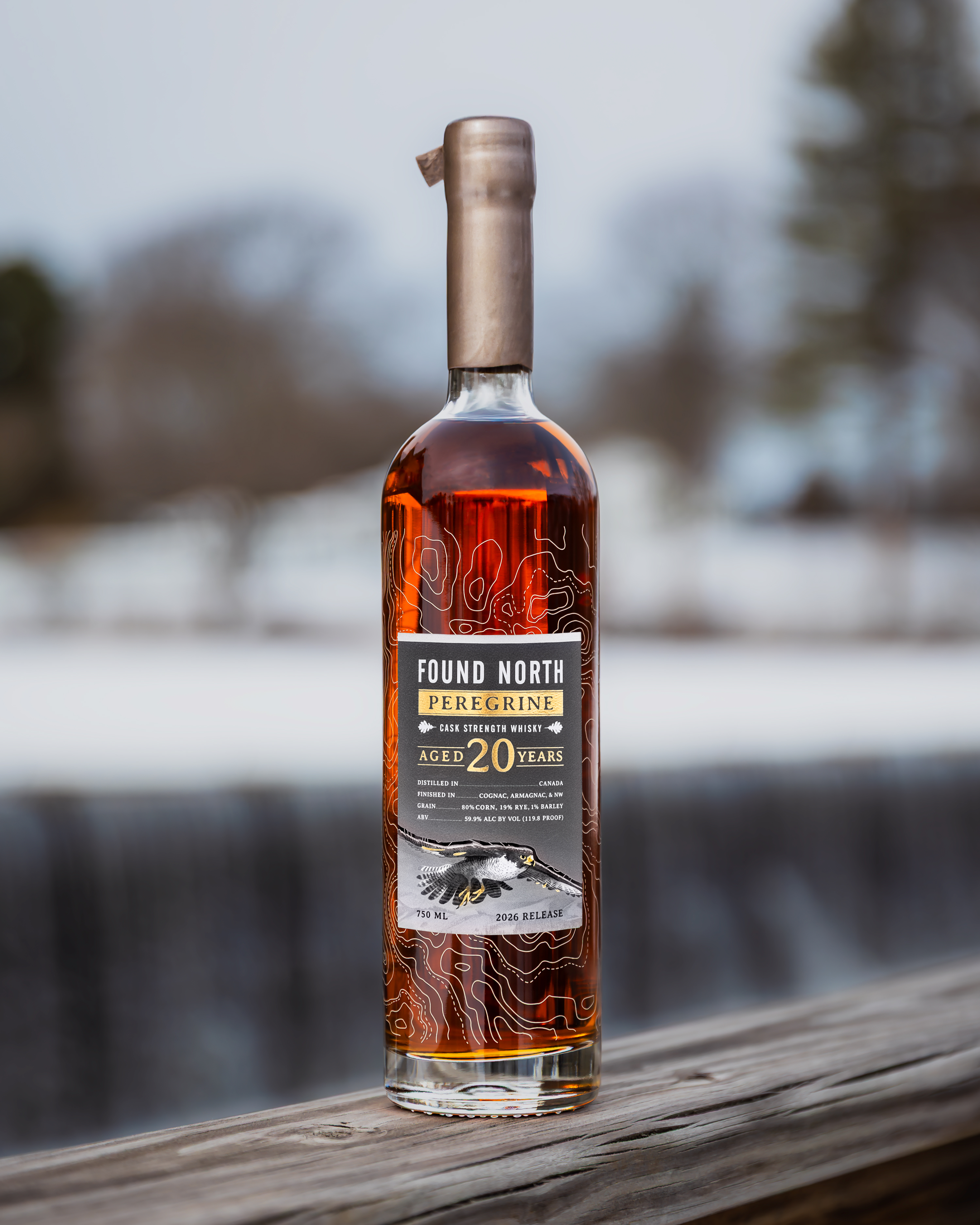
Peregrine 2026
Lottery ClosedSold Out OnlineHow to BuyHow to BuyPeregrine’s Four Defining Aspects
Process
Peregrine is the foundational whisky of the High Altitude production philosophy. We begin by blending mature whiskies, before further maturation. This allows us to shape the composite blend for a specific cask regimen. Each finishing cask is tasted and retasted until it has reached peak development. The final reblend provides an opportunity to select the right combination of casks to create Peregrine.
Age
Age does not guarantee quality. It does, however, create flavor compounds that are unavailable to younger whiskies. The extended time in wood allows for oxidation, concentration and the slow development of texture and rich fruit notes critical to making Peregrine taste like Peregrine.
Cask Regimen
Peregrine always incorporates new American oak and Cognac casks. The combination amplifies orchard fruits, and lays a foundational layer of vanillin, caramel and wood spice that form Peregrine’s core profile.
Integrating Texture and Flavor
Peregrine is defined by how the flavors complement the mouthfeel and vice versa. Given the age of the whiskies and the Cognac casks, the orchard fruits and honeysuckle notes are inevitable. However, it is the harmony of those flavors with the corresponding creaminess and silken mouthfeel that defines Peregrine. This flavor-mouthfeel coupling integrates with the spice, vanillins and crackling finish from the rye components and new American oak.
Armagnac Casks
For the last few years, we have had our mind set on adding Armagnac casks to the Peregrine finishing regimen to add a layer of darker fruit and savory tones. We just needed to ensure we had the right casks.
Peregrine 2026 began as an 8-whisky blend, aged between 20 and 27 years, with a derived mashbill of 80% corn, 19% rye and 1% malted barley. After creating the blend we finished it for an additional five months in Armagnac, Cognac and 18-month air-dried new American oak casks from ISC. We selected 17 of the 23 casks we used for finishing to create the final blend.
Peregrine 2026 captures the creamy, elegant style of Peregrine. However, the Armagnac casks provide a fully ripened fruit tone layered with saffron, clove, and a subtle worn leather note that complements the baking spice finish.
Blend Composition
The following 8 components were blended and then finished for 5 months in a combination of Armagnac, Cognac and new American oak casks.
- Two 21yr corn components
- Two 22yr corn components
- One 27yr corn component
- One 20yr rye component
- Two 21yr rye components
We selected 17 of the 23 finishing casks for the final blend. The cask composition by volume is as follows:
- 15.6% Armagnac Casks
- 58.4% Cognac Casks
- 15.6% 18-month Air-dried New American Oak, Medium Toast, Char #2
- 10.4% 18-month Air-dried New American Oak, Medium Toast, Char #1
Profile
The 2026 Peregrine release is fun to dive into and retaste. It evolves in the glass and presents more than just small intricate differences. The core structure stays the same with each sip but the tenor of the whisky changes, darkening each time you revisit it.
Initial Sip
The whisky presents the core features of the Peregrine profile. The landing is plush with a creamy body, golden apple and French butter pear and a soft nutmeg undertone. From a viscosity standpoint, it is thick through the mid-palate and into the finish. Unique to this Peregrine release, the latter part of the mid-palate and the finish present heavier crackling spiciness, denser exotic wood phenols and a sticky, jammy preserve note on the resolve.
Second Pass
The tone darkens. It lands thicker with maple candy notes, deeper wood spice and a headier aromatic profile on the finish and a brown sugar crust on banana bread.
Final Taste
The whisky hits its lowest register. The landing presents a decadent caramel and Tahitian vanilla bean. The mid-palate is full of blackberry fruit leather. The savory quality carries into the finish, with traces of saline, sweet tobacco and teak. The resolve echoes cinnamon, dark chocolate and plum jam.
Nose
- Sweetness: maple syrup, treacle, honey, burnt caramel, brown sugar
- Bright Fruits: golden apples, pears
- Dark Fruits: apricot, fig, bacon-wrapped melon, dark cherry
- Herbal: white tea, wheatgrass, juniper, dried sage
- Spice: mace, tonka, saffron, cinnamon
- Wood Lactones: vanilla, caramel, banana bread, roasted almond
- Wood Phenols: sandalwood, teak, mahogany, leather, pipe tobacco
Lab Notes
1st quadrant: Lands creamy, viscous, with some sticky sweetness. The fruit profile is bright, primarily orchard fruits, with secondary red fruit quality.
2nd quadrant: The baking spice emerges along with the darker fruit profile and a higher concentration of wood phenols/aromatics.
3rd quadrant: The creaminess is replaced by a higher concentration of sweetness, caramelization and wood and baking spice. The underlying viscosity persists, but the textural profile has more grip.
4th quadrant: The tannins are mild. There is a lot of wood spice, without bite or bitterness. The side palate maintains sweetness. The vanillin darkens and presents more chocolate characteristics. Fruit profile also further darkens into heavier preserves with higher sugar concentration.
Resolve: Leather and mild phenols.
Media Reviews on Peregrine 2026
We shared Peregrine with a small group of long-form whisky reviewers. Here are their thoughts:
Is the New Found North Peregrine Cask Strength A Whiskey of The Year Contender? - Whiskey Weather (YouTube)
Found North Peregrine 2026 Review - Bourbon Finder (Article)
Found North Peregrine 2026 Review: Is It Worth $225? - Cask in Point (YouTube)
160: Found North Part Deux - Off Topic Whiskey (Podcast)
Found North Peregrine (2026) - Rare Bird (Article)
Found North 2026 Peregrine - Bourbon Showdown (YouTube)Review: Found North Peregrine 2026 - Single Malt Savvy (Article)
Release Details
- 59.9% ABV (Cask Strength)
- 80% corn | 19% rye | 1% malted barley
- Finished in Armagnac, Cognac and New American oak casks
- Non-chill filtered, No additives, Natural Color
Sign up to be notified as soon as we release new whisky. Our mailing list is the best place to be notified about new releases and how to purchase them.
